ESC
Neuroimmunology

Neuroimmunology & Neuroinflammation

Investigating the intersection of innate immunity and neurodegeneration in human iPSC-derived models. My neuroimmunology program dissects how pro-inflammatory cytokines (IFN-γ, TNF-α, IL-1β) drive neuronal vulnerability, α-synuclein aggregation, and lysosomal dysfunction — and how microglia and astrocytes modulate these pathological cascades. This work has yielded first-author publications in Nature Neuroscience and Cell Reports, with direct translational applications for anti-inflammatory neuroprotection strategies.

Neuroinflammation IFN-γ Signaling Microglia Astrocytes α-Synuclein Cytokine Biology iPSC Neurons Lysosomal Dysfunction PINK1/Parkin Neuroprotection
01

Cytokine-Driven Neuronal Vulnerability

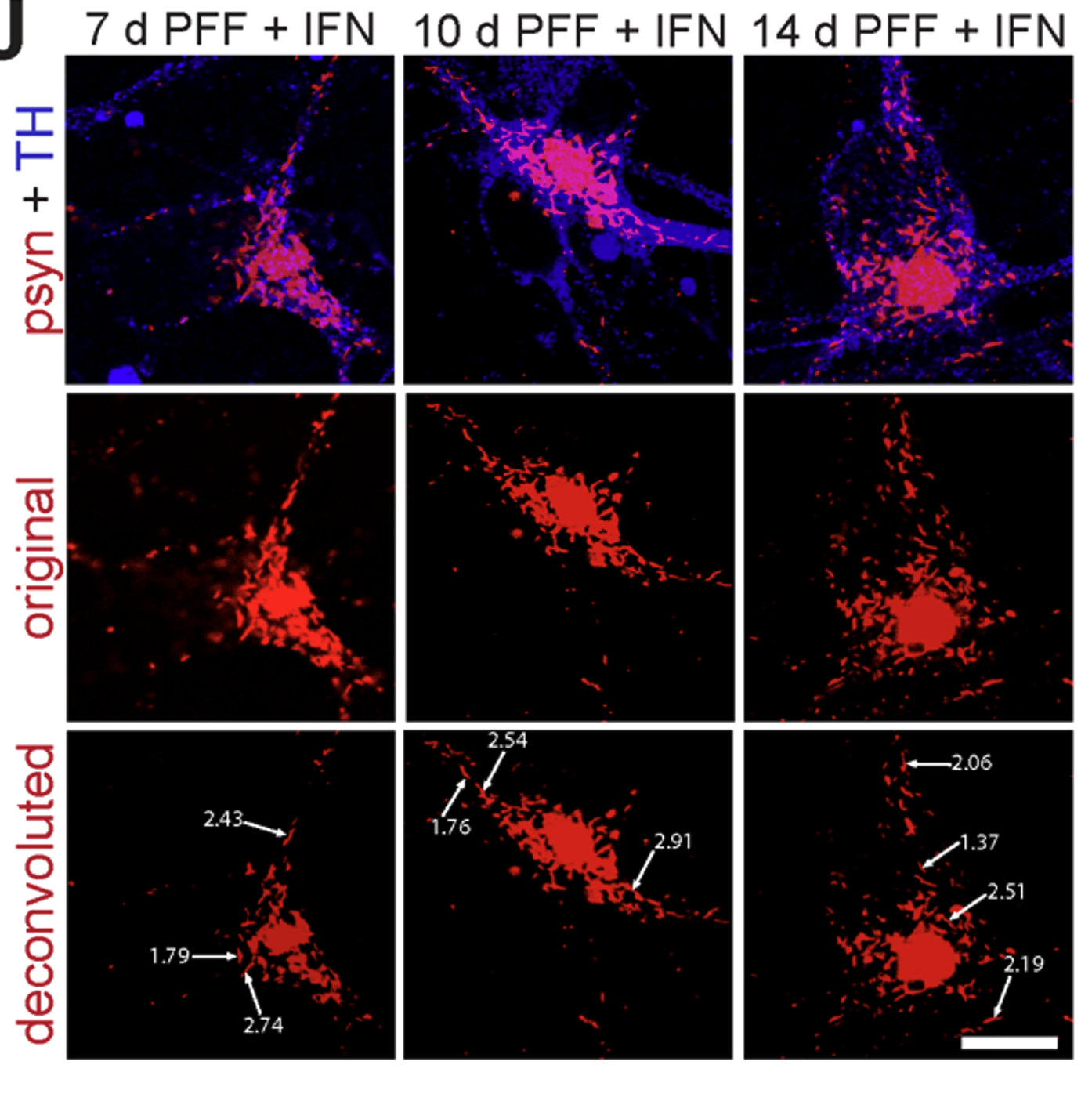
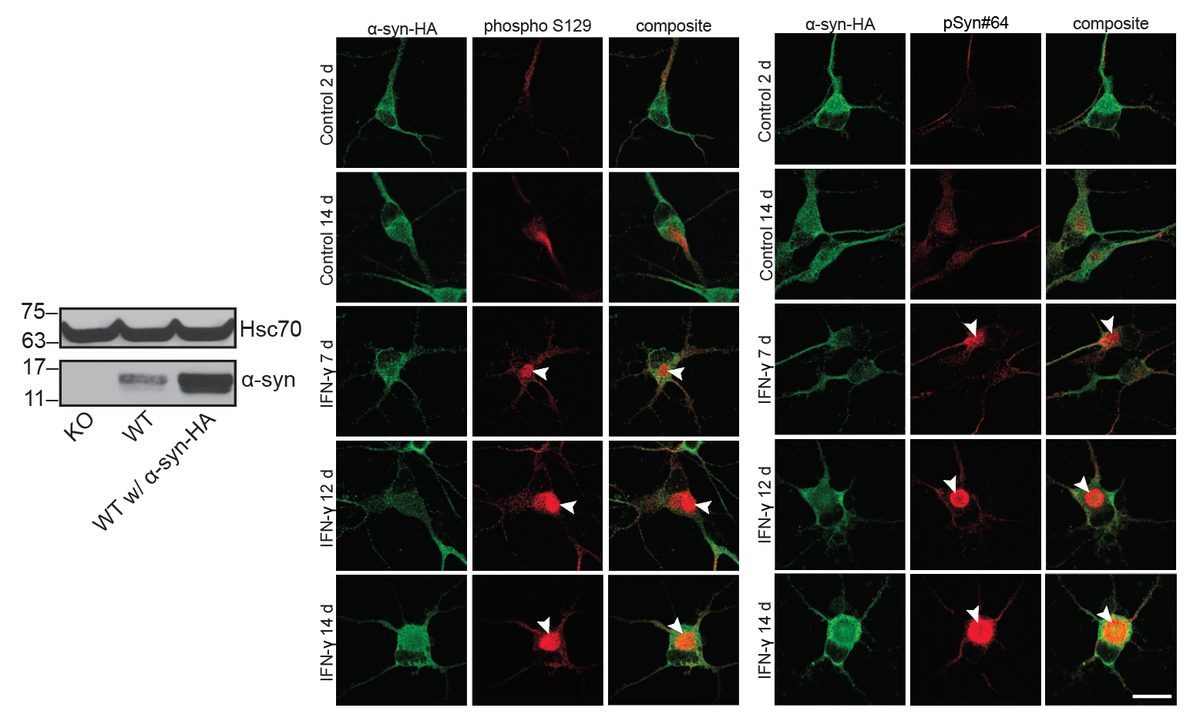
Systematic investigation of how pro-inflammatory cytokines impact iPSC-derived dopaminergic neuron health. IFN-γ exposure induces MHC-I upregulation, antigen presentation machinery activation, and downstream lysosomal dysfunction. TNF-α and IL-1β act synergistically to promote α-synuclein phosphorylation and Lewy body-like inclusion formation. These findings establish a mechanistic framework connecting peripheral inflammation to neuronal pathology in Parkinson's disease.

Key Findings
3
Cytokine Pathways Characterized (IFN-γ, TNF-α, IL-1β)
4.2×
α-Syn Inclusion Increase (IFN-γ + PFF)
72h
Optimal Treatment Window
>85%
TH+ Neuron Purity
Cytokine Impact on iPSC-DA Neurons
Quantitative Data
Cytokine-induced pathology across multiple readouts
Data from n=3–4 biological replicates. α-Syn inclusions quantified by immunocytochemistry (cells with ≥2 inclusions). Viability by CellTiter-Glo luminescence. MHC-I expression by flow cytometry (fold-change MFI vs vehicle).
Image Gallery
02

Neuron–Glia Co-Culture Systems

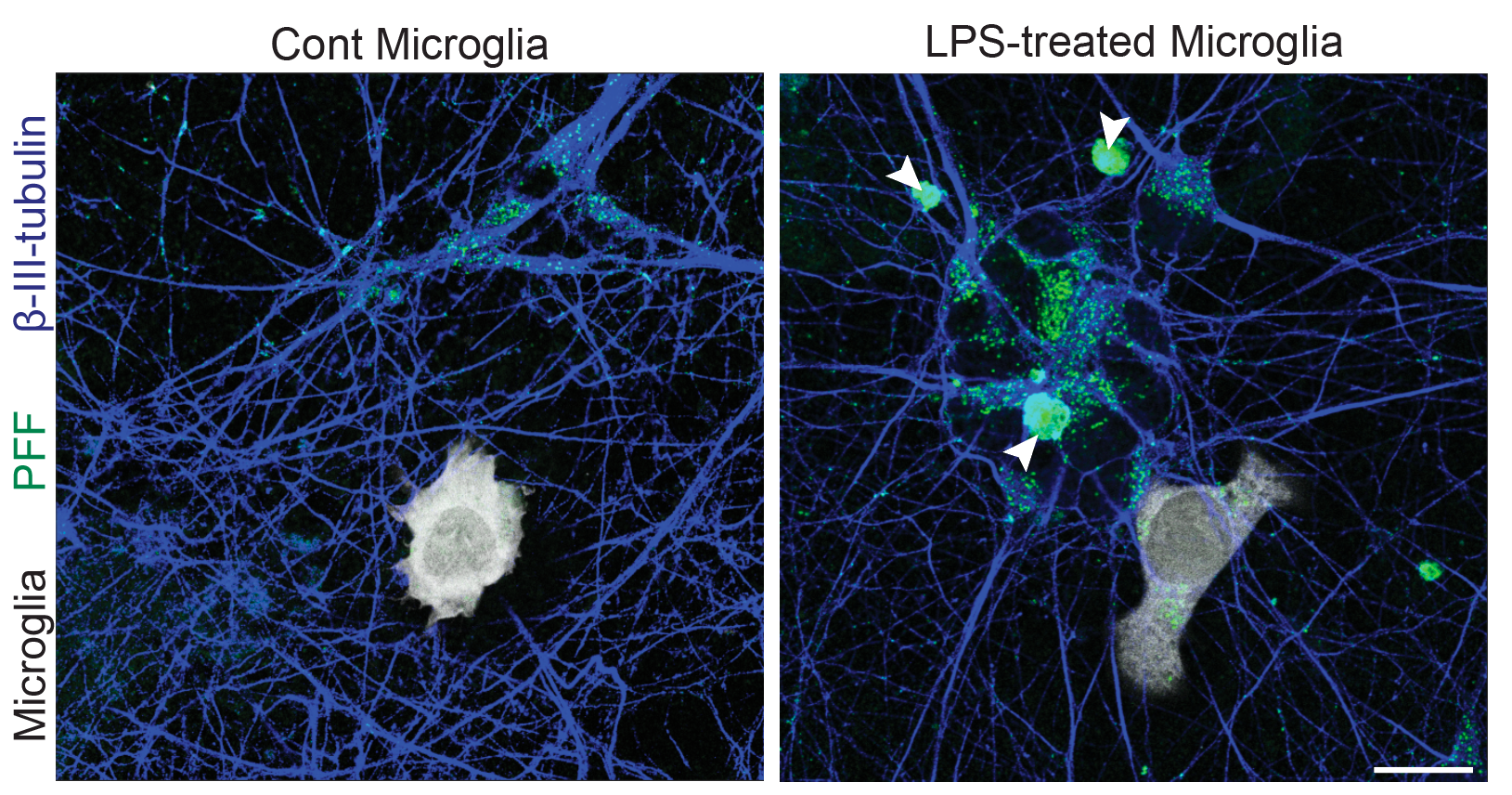
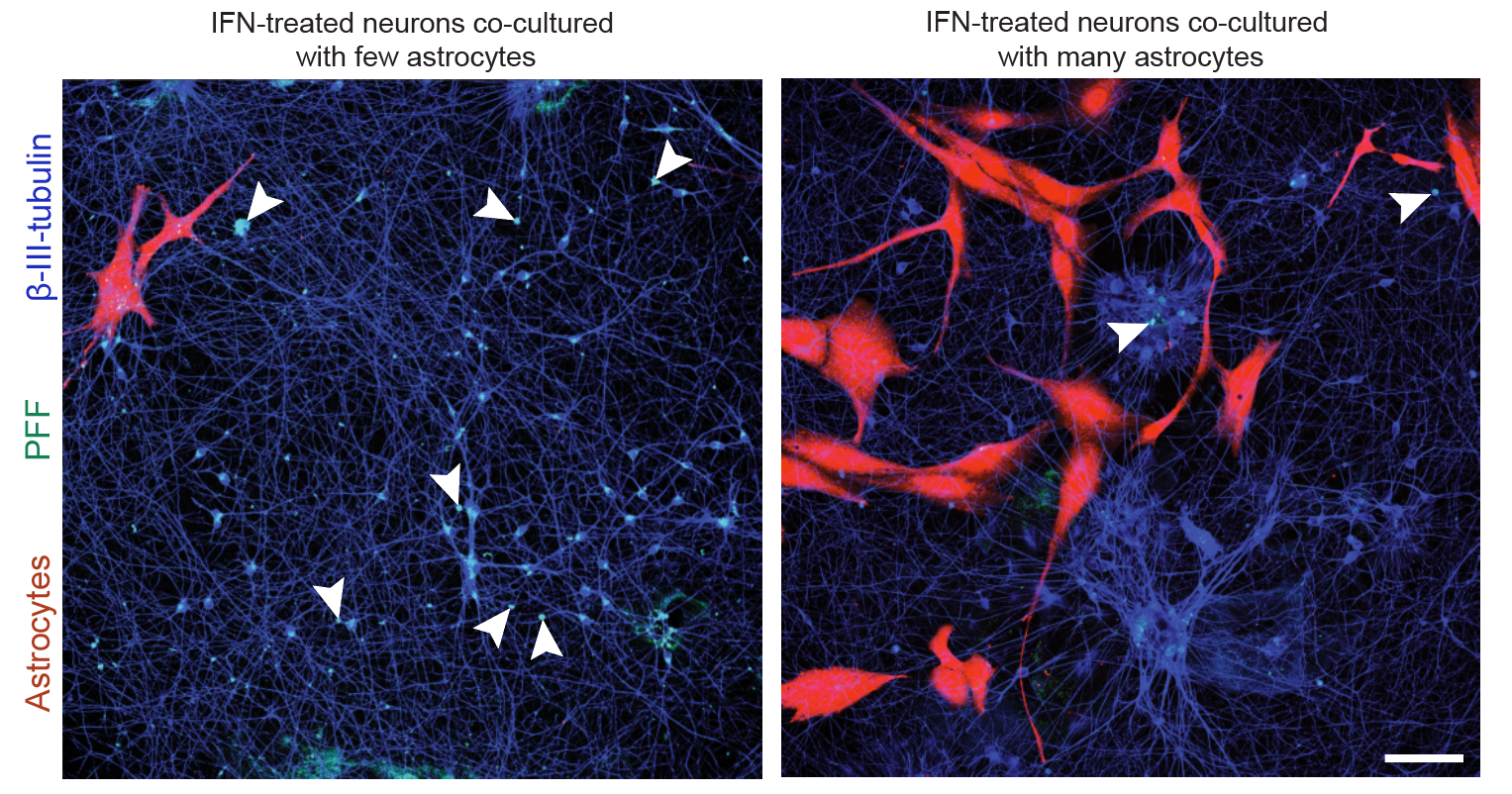
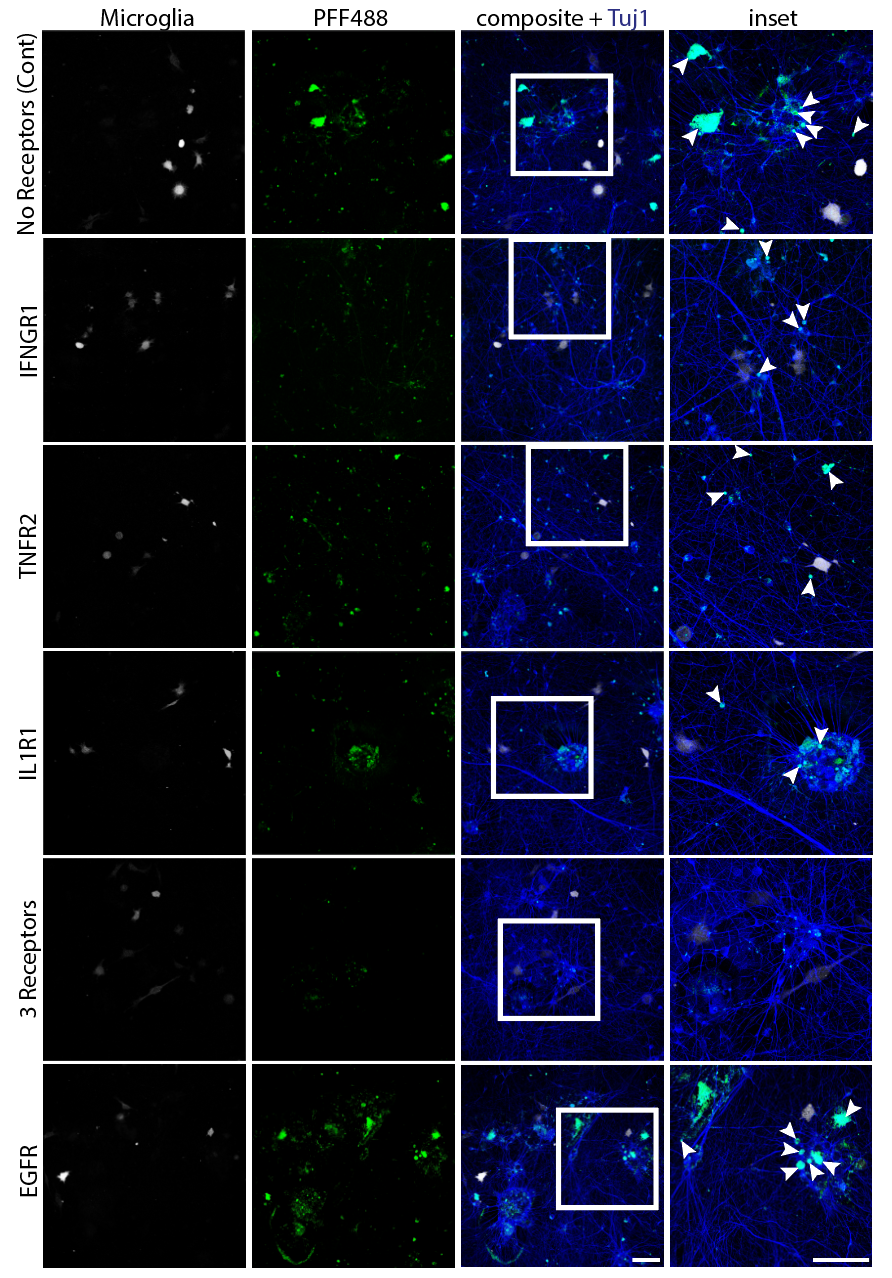
Developed tri-culture systems combining iPSC-derived dopaminergic neurons with microglia and astrocytes to model the neuroimmune microenvironment. Microglia amplify α-synuclein inclusion formation through pro-inflammatory cytokine secretion and direct phagocytic interactions. Astrocytes provide neuroprotection via glutathione transfer and metabolic support, but become neurotoxic when activated by microglial TNF-α. These co-culture platforms enable screening of anti-inflammatory therapeutics in physiologically relevant contexts.

Key Findings
3
Cell Types in Tri-Culture (Neurons + Microglia + Astrocytes)
2.8×
Microglia-Enhanced Inclusion Formation
45%
Astrocyte-Mediated Neuroprotection
15+
Cytokines Profiled by MSD
Co-Culture Effects on Neuronal Pathology
Quantitative Data
Multi-cellular effects across readouts in tri-culture
n=3 independent differentiations. α-Syn inclusions: % cells with ≥2 punctate deposits. Cell Death: % PI+ or annexin V+. Cytokine Release: pg/mL in culture supernatant (48h).
Image Gallery
03

Neuroimmune Receptor Dissection

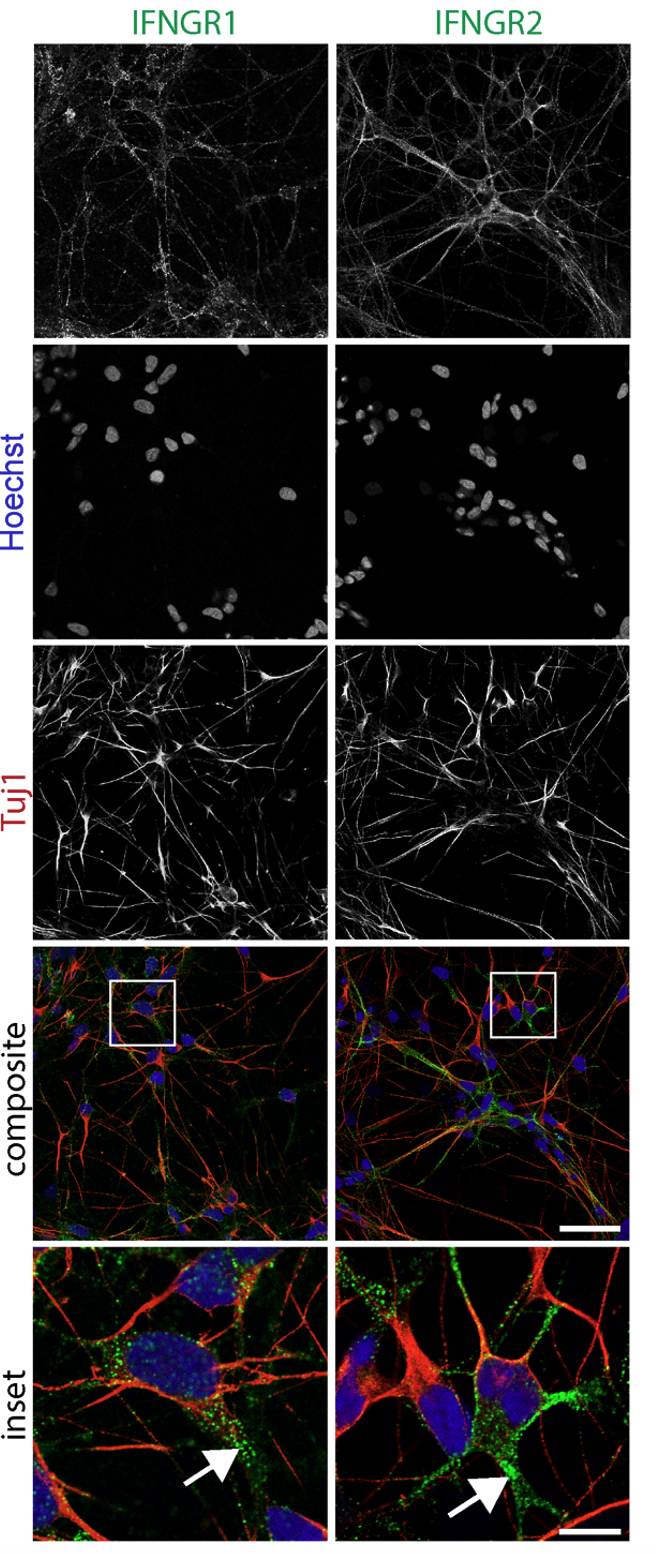
Systematic characterization of cytokine receptor expression and signaling in iPSC-derived dopaminergic neurons. Identified IFNGR1, TNFR2, and IL1R1 as the dominant receptor subtypes mediating inflammatory neurodegeneration. Confocal imaging confirmed surface receptor localization and internalization dynamics upon ligand binding. These receptor maps guided the selection of anti-cytokine biologics (anti-TNF-α, anti-IL-1β, anti-IL-6) that demonstrated dose-dependent neuroprotection.

Key Findings
3
Key Receptors Characterized (IFNGR1, TNFR2, IL1R1)
IFNGR1
Dominant Receptor in DA Neurons
60%
Neuroprotection with Anti-TNF Biologics
6
Biologics Screened
Cytokine Receptor Expression in iPSC-DA Neurons
Quantitative Data
Mean fluorescence intensity (MFI) by flow cytometry
Flow cytometry quantification of surface-level receptor expression. n=3 donors, 10,000+ live, single cells per sample. Isotype control background subtracted.
Image Gallery
04

Inflammation-Induced Lysosomal Dysfunction

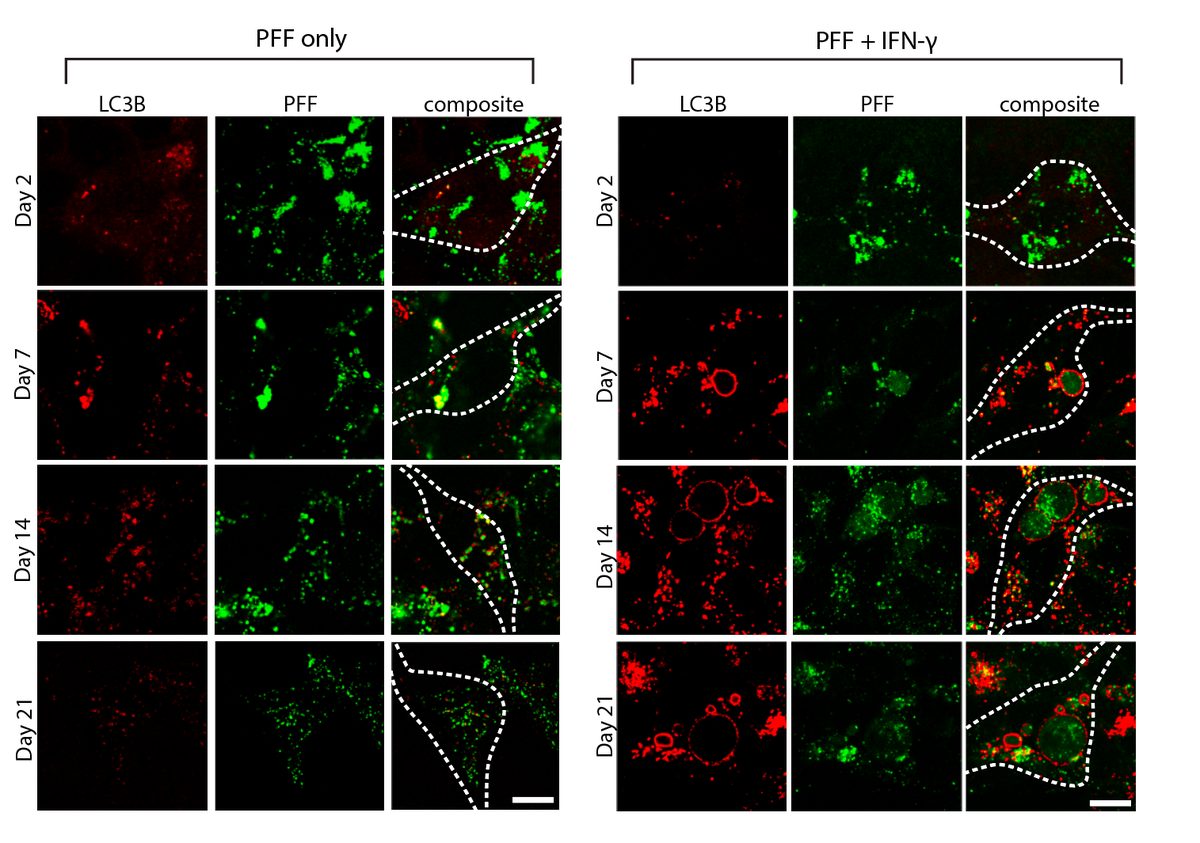
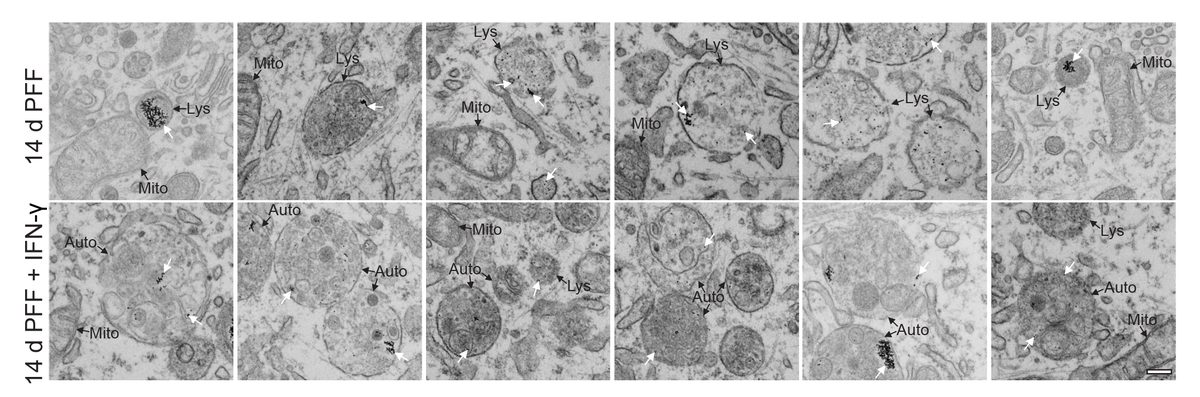
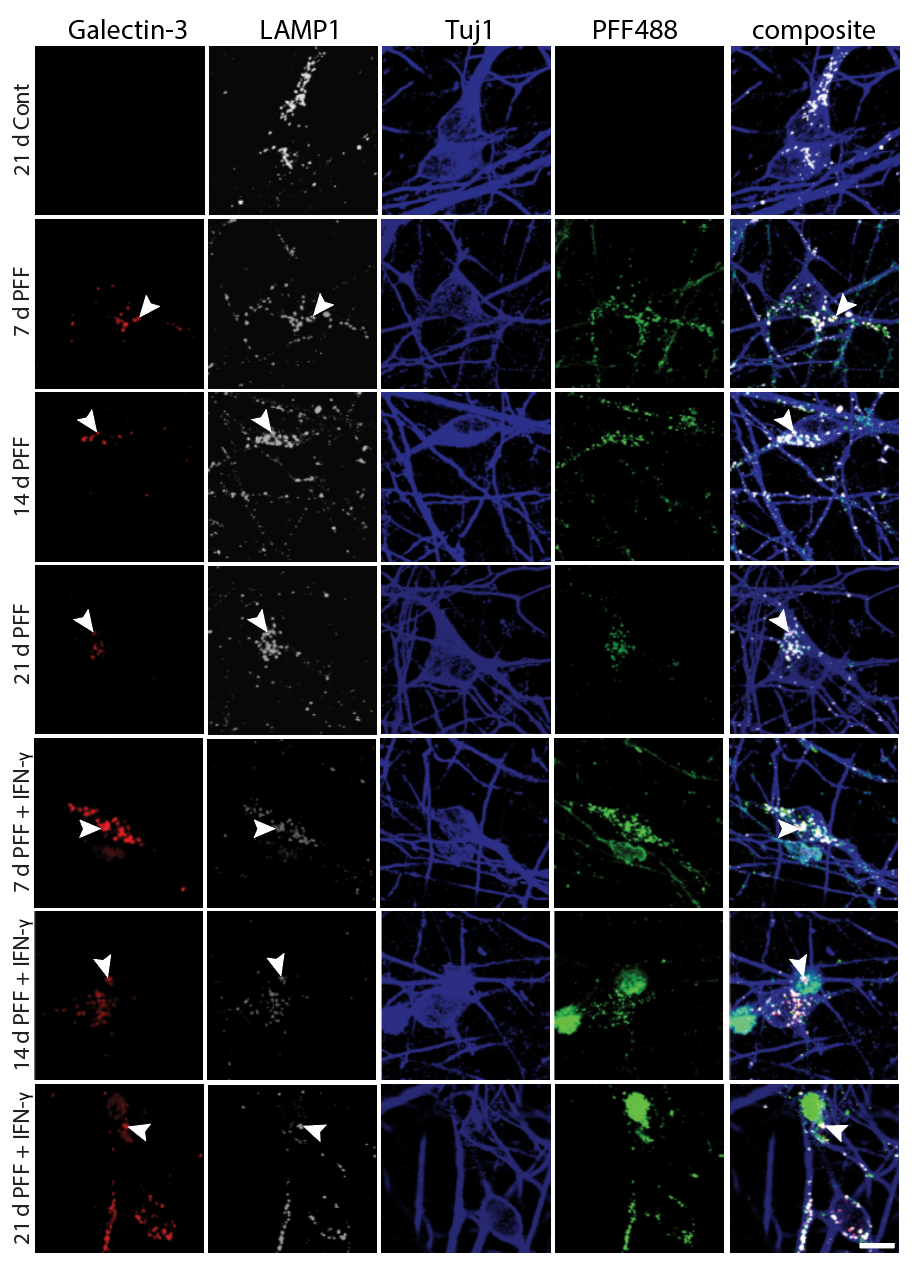
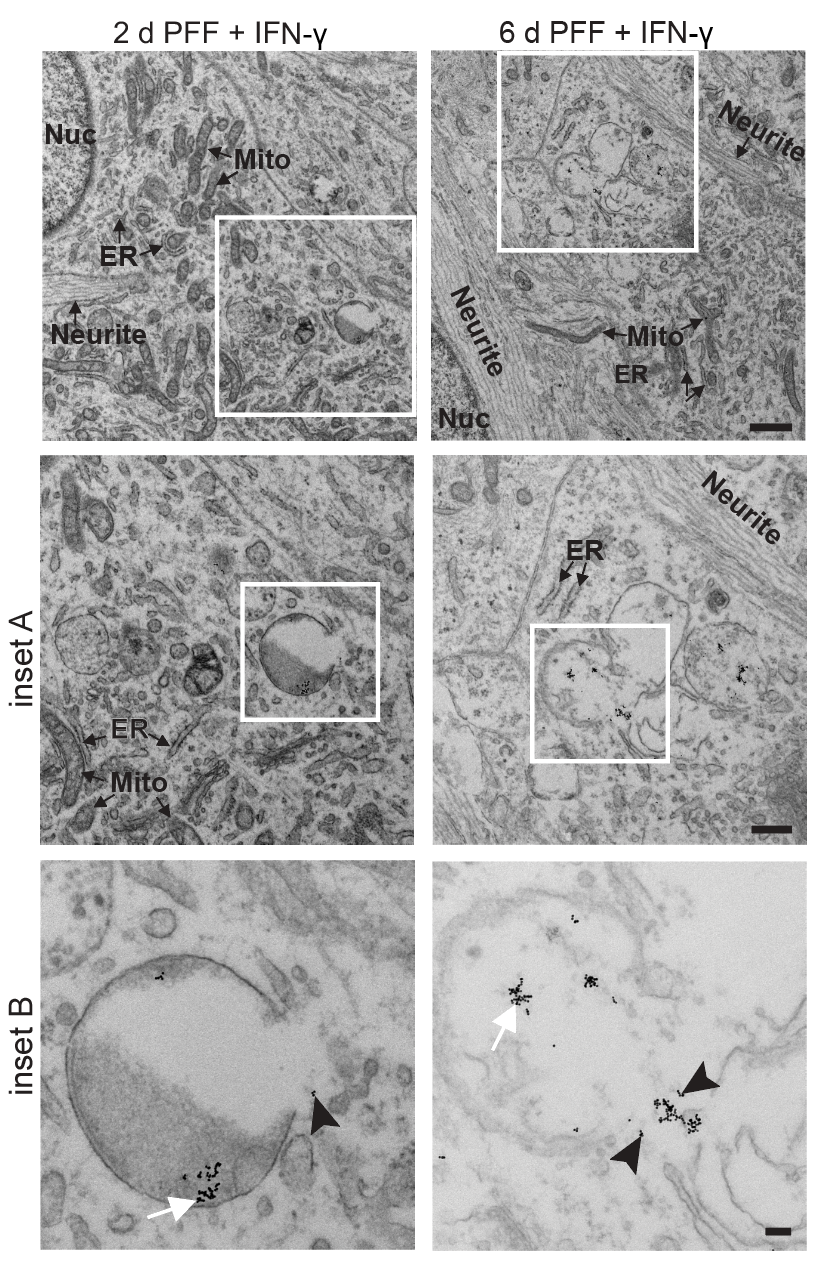
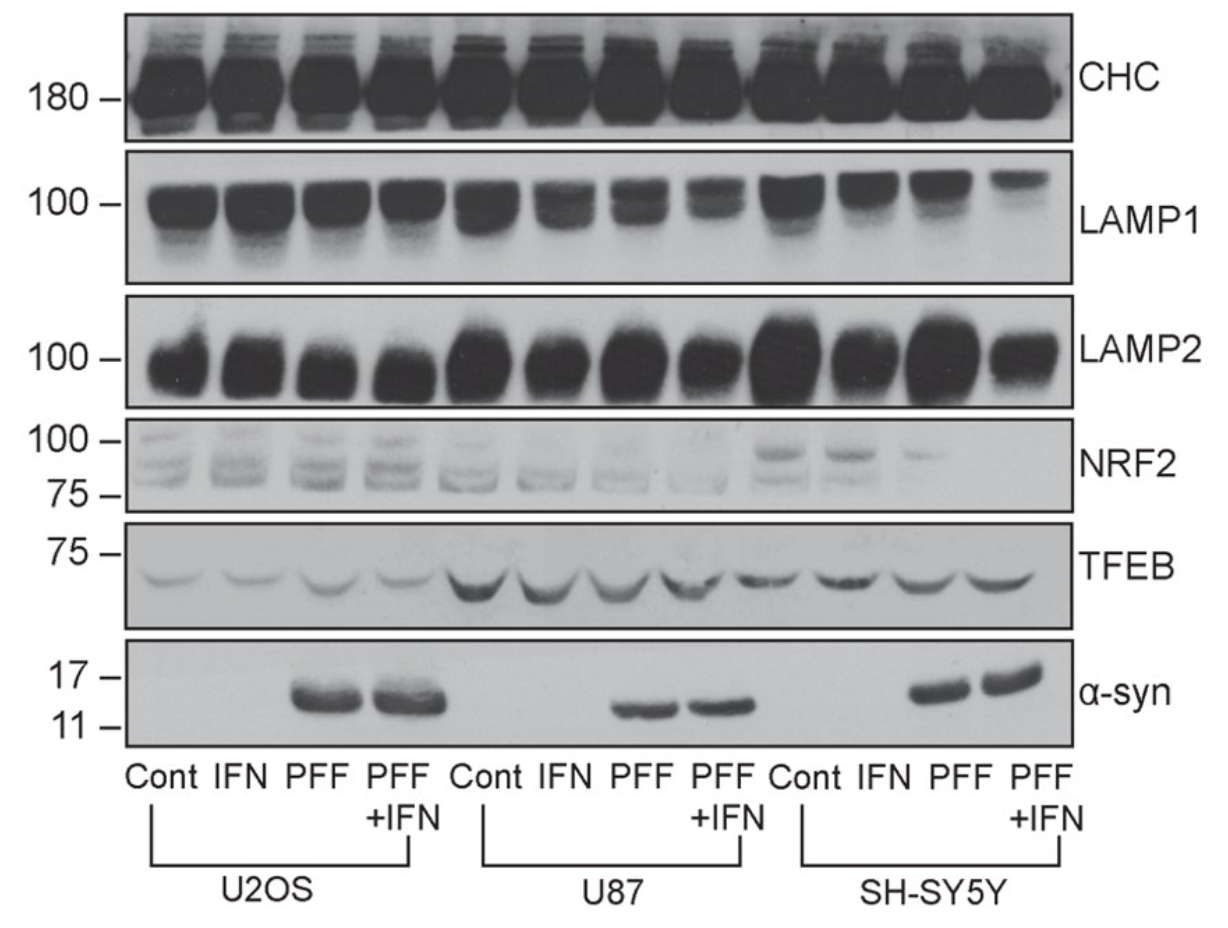
IFN-γ signaling triggers progressive lysosomal dysfunction in dopaminergic neurons, characterized by LAMP1+ compartment enlargement, cathepsin activity reduction, and impaired autophagic flux. This creates a feed-forward loop: dysfunctional lysosomes fail to clear α-synuclein aggregates, which further compromise lysosomal membrane integrity (detected by galectin-3 puncta). Electron microscopy revealed multilamellar body accumulation and lysosomal membrane rupture in IFN-γ–treated neurons.

Key Findings
3.5×
LAMP1+ Compartment Enlargement
55%
Cathepsin D Activity Reduction
2.8×
Galectin-3 Puncta Increase
48h
Onset of Lysosomal Pathology
Lysosomal Dysfunction Timeline (IFN-γ Treatment)
Quantitative Data
Time-dependent changes in lysosomal markers
Kinetic measurements from confocal microscopy. LAMP1 Intensity: fold-change in mean punctal fluorescence. Cathepsin Activity: substrate cleavage assay (luminescence). Galectin-3 Puncta: quantified per cell by automated image analysis. n=30–50 neurons per timepoint.
Image Gallery
05

Neuroimmune Biomarker Profiling

Comprehensive MSD multiplex profiling of secreted cytokines, chemokines, and neurodegeneration markers across inflammatory treatment paradigms. Established pharmacodynamic biomarker panels for monitoring anti-inflammatory therapeutic efficacy. Key readouts include phospho-α-synuclein (pS129), NfL, GFAP, and a 15-plex cytokine panel enabling simultaneous quantification of inflammatory and neurotoxic cascades.

Key Findings
15
MSD Multiplex Analytes
pS129
Key PD Biomarker
3
Sample Types (Media, Lysate, CSF-analog)
R²>0.99
Standard Curve Quality
Neuroimmune Biomarker Panel — Fold Change (IFN-γ vs Vehicle)
Quantitative Data
Comprehensive multiplex biomarker response to IFN-γ
MSD V-PLEX platform. n=4 biological replicates. Vehicle baseline = 1.0 (center). IFN-γ treatment (24h, 10 ng/mL). Axes represent fold-change relative to unstimulated control.
Image Gallery

Neuroimmunology Experimental Pipeline

STEP 01
iPSC Differentiation
DA neurons, microglia, astrocytes (30–60 days)
STEP 02
Inflammatory Challenge
Cytokine treatments, PFF seeding, co-culture
STEP 03
Multi-Modal Readout
ICC, flow, MSD, Western, calcium imaging
STEP 04
Pathway Dissection
Receptor mapping, signaling cascades, gene expression
STEP 05
Therapeutic Screen
Anti-inflammatory biologics, small molecules, neuroprotection